Running a commercial kitchen is not easy.
Restaurant owners must control costs. They must also keep staff safe and improve efficiency.
When it is time to upgrade cooking equipment, many businesses face a common question:
Should you choose commercial induction cooking or gas cooking?
Gas ranges have been used for decades. However, induction cookers are becoming a popular alternative.
Many restaurants, hotels, hospitals, and catering kitchens now use induction technology.
The reasons are clear. Induction cooking is energy efficient. It is safer to use. It can also help reduce operating costs.
This guide explains the key differences between induction and gas cooking. We compare efficiency, safety, maintenance, performance, and overall value to help you make the right choice.
Understanding the Difference Between Induction and Gas Cooking
Gas cooking creates heat with an open flame. The flame heats the cookware from the bottom. Much of the heat escapes into the air.
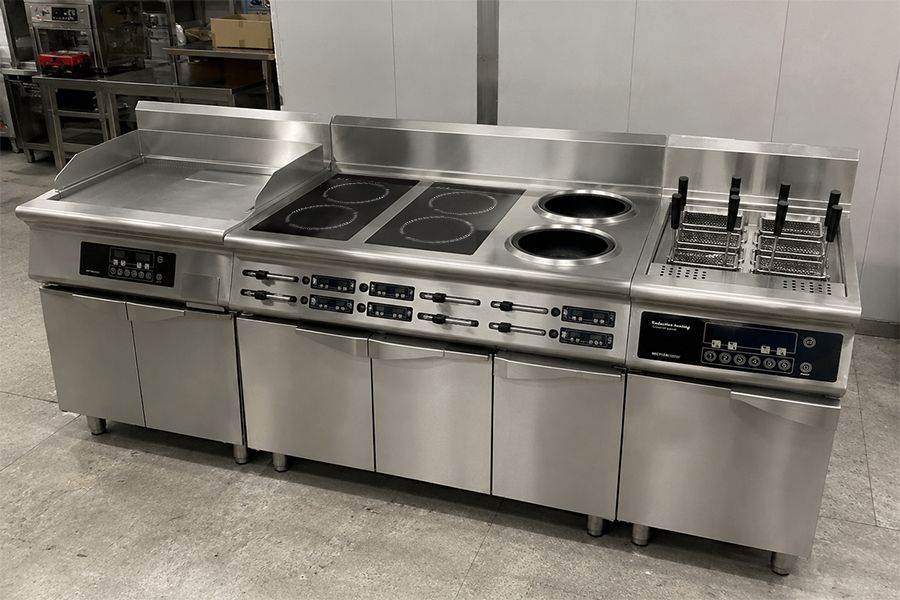
Commercial induction cooking works differently. It uses electromagnetic energy to heat the cookware directly. The cooking surface stays much cooler than a gas range.
Because of this, induction cooking is more efficient. It can also improve safety and reduce heat in the kitchen.
| Feature | Commercial Induction Cooking | Gas Cooking |
|---|---|---|
| Heat Source | Electromagnetic Energy | Open Flame |
| Energy Efficiency | 85–95% | 40–55% |
| Heat Loss | Very Low | High |
| Kitchen Temperature | Lower | Higher |
| Cleaning | Easy | Moderate |
| Fire Risk | Very Low | Higher |
| Temperature Control | Precise | Good |
Energy Efficiency: Why More Restaurants Are Switching to Induction
Energy costs are a major expense for restaurants and other foodservice businesses.
Gas equipment wastes a large amount of heat. Much of the energy escapes into the surrounding air.
Induction cooking is more efficient. Most of the energy goes directly into the cookware instead of the kitchen environment.
Typical Energy Efficiency Rates
| Equipment Type | Efficiency |
|---|---|
| Gas Range | 40–55% |
| Electric Coil Range | 65–75% |
| Commercial Induction Cooker | 85–95% |
Even small improvements in efficiency can make a big difference.
Many restaurants operate for 10 to 16 hours each day. Lower energy use can lead to significant savings over time.
Higher efficiency offers other benefits as well. It can help businesses reduce their environmental impact. It may also support sustainability goals.
Operating Cost Comparison
Many restaurant operators focus solely on equipment purchase price.
However, long-term operating costs often have a greater impact on profitability.
Factors Affecting Operating Costs
Energy Consumption
Induction systems use energy more efficiently, reducing wasted heat.
Ventilation Requirements
Gas appliances generate substantial ambient heat, increasing HVAC workload and utility expenses.
Maintenance Costs
Commercial induction cookers contain fewer exposed components that require routine cleaning and servicing.
Cost Comparison Overview
| Cost Category | Commercial Induction | Gas |
|---|---|---|
| Energy Use | Lower | Higher |
| Kitchen Cooling Costs | Lower | Higher |
| Ventilation Demand | Lower | Higher |
| Equipment Cleaning | Easier | More Labor Intensive |
| Maintenance Frequency | Lower | Higher |
Many restaurants focus on purchase price when choosing equipment.
However, operating costs also matter.
Commercial induction cookers use less energy. They also produce less heat.
This can reduce cooling costs and ventilation expenses.
Cleaning is usually faster as well.
Over time, many busy kitchens find that induction equipment costs less to own and operate.
Kitchen Safety and Workplace Protection
Safety remains a top priority in commercial foodservice operations.
Gas cooking introduces risks associated with:
-
Open flames
-
Gas leaks
-
Combustion emissions
-
Burn injuries
-
Fire hazards
Commercial induction cooking eliminates open flames entirely.
Key Safety Advantages
-
Automatic pan detection
-
Overheat protection
-
Auto shut-off functions
-
Reduced surface temperatures
-
No combustible fuel source
These features help create a safer environment for kitchen staff while reducing operational risks.
Cooking Performance: Can Induction Match Gas?
Some people believe induction cooking is not suitable for professional kitchens.
However, modern commercial induction cookers offer fast and precise control.
Chefs can quickly adjust heat levels when needed.
Benefits of Induction Cooking Performance
-
Instant heat
-
Faster boiling
-
Precise temperature control
-
Consistent cooking results
Many chefs choose induction for tasks that require accurate temperatures.
This includes sauces, soups, and other delicate dishes.
Modern commercial induction wok ranges have also improved significantly.
As a result, many Asian restaurants now use induction cooking in their kitchens.
Why Cooler Kitchens Matter
Hot kitchens can slow people down.
Gas cooking adds heat to the workspace. This can make employees uncomfortable.
Induction cooking produces less heat. It helps keep the kitchen cooler.
Benefits include:
-
Better comfort
-
Lower cooling costs
-
Better working conditions
-
Higher productivity
Many restaurants overlook these benefits. However, they can make a real difference over time.
Environmental Benefits of Commercial Induction Cooking
Many restaurants want to use less energy and reduce waste.
Commercial induction cooking can help achieve these goals.
Benefits include:
- Higher energy efficiency
- Less wasted heat
- No on-site combustion emissions
- Support for sustainable building projects
Using less energy can help reduce a kitchen’s environmental impact.
For this reason, many businesses are adding induction technology to their kitchen upgrade plans.
When Should Restaurants Choose Commercial Induction Cooking?
Commercial induction equipment is particularly suitable for:
Restaurants
Fast-paced operations seeking efficiency and consistency.
Hotels
Facilities requiring reliable, high-volume cooking performance.
Catering Companies
Operations that value portability and energy efficiency.
Hospitals and Schools
Institutions prioritizing safety and cleanliness.
Open-Kitchen Concepts
Restaurants where guest visibility makes safety and heat reduction especially important.
When Gas Cooking May Still Be a Practical Choice
Commercial induction cooking is a good solution for many businesses.
However, gas cooking may still work better in some situations.
For example:
- The kitchen already has gas infrastructure
- Local gas prices are low
- Certain dishes require direct flame cooking
Before making a decision, consider your cooking requirements and operating costs.
You should also think about your long-term plans for the business.
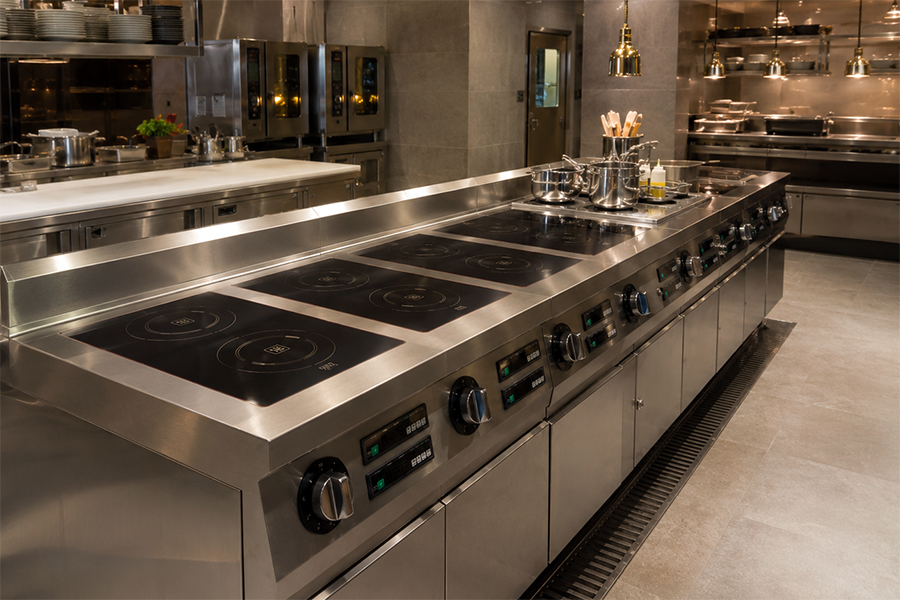
How to Choose a Commercial Induction Cooker
Choosing the right commercial induction cooker is important.
Before buying, consider the following factors.
Power Output
Choose a cooker that matches your menu and cooking volume.
Application Type
Different kitchens have different needs.
Select equipment that fits your cooking style and daily operations.
Certifications
Choose products that meet recognized safety and quality standards.
Manufacturer Experience
Work with an experienced manufacturer.
A reliable supplier can provide quality products and long-term support.
Frequently Asked Questions
Is commercial induction cooking cheaper than gas?
The upfront cost may be higher.
However, induction uses less energy and often needs less maintenance.
This can help reduce operating costs over time.
Can commercial induction cookers handle wok cooking?
Yes.
Modern commercial induction wok ranges are designed for high-heat cooking.
Many Asian restaurants use them every day.
Do commercial induction cookers require special cookware?
Yes.
You need induction-ready cookware.
The cookware must contain magnetic metal.
How long does a commercial induction cooker last?
A commercial induction cooker can last for many years.
Regular cleaning and maintenance can help extend its lifespan.
Are commercial induction cookers safe for restaurants?
Yes.
Induction cookers do not use open flames.
Most models also include built-in safety features.
These features make induction cooking one of the safest options for commercial kitchens.
Conclusion
Gas and induction cooking can both work well in commercial kitchens.
However, many restaurants are switching to commercial induction cooking.
Lower energy use, improved safety, and better efficiency are some of the main reasons.
Induction cooking can also help reduce operating costs and improve kitchen comfort.
Before choosing new equipment, review your cooking needs, energy costs, and growth plans.
This will help you decide if commercial induction cooking is the right choice for your business.